-
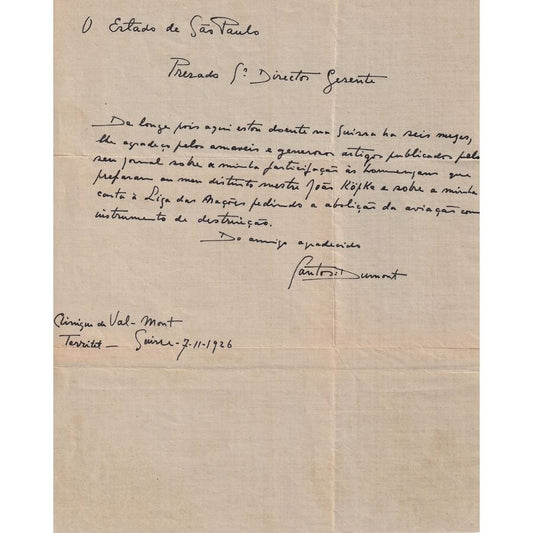
Handwritten letter from Alberto Santos Dumont (November 7, 1926)
Regular price R$ 120.000,00 BRLRegular priceUnit price per -
Handwritten letter from Alberto Santos Dumont (August 11, 1928)
Regular price R$ 100.000,00 BRLRegular priceUnit price per -
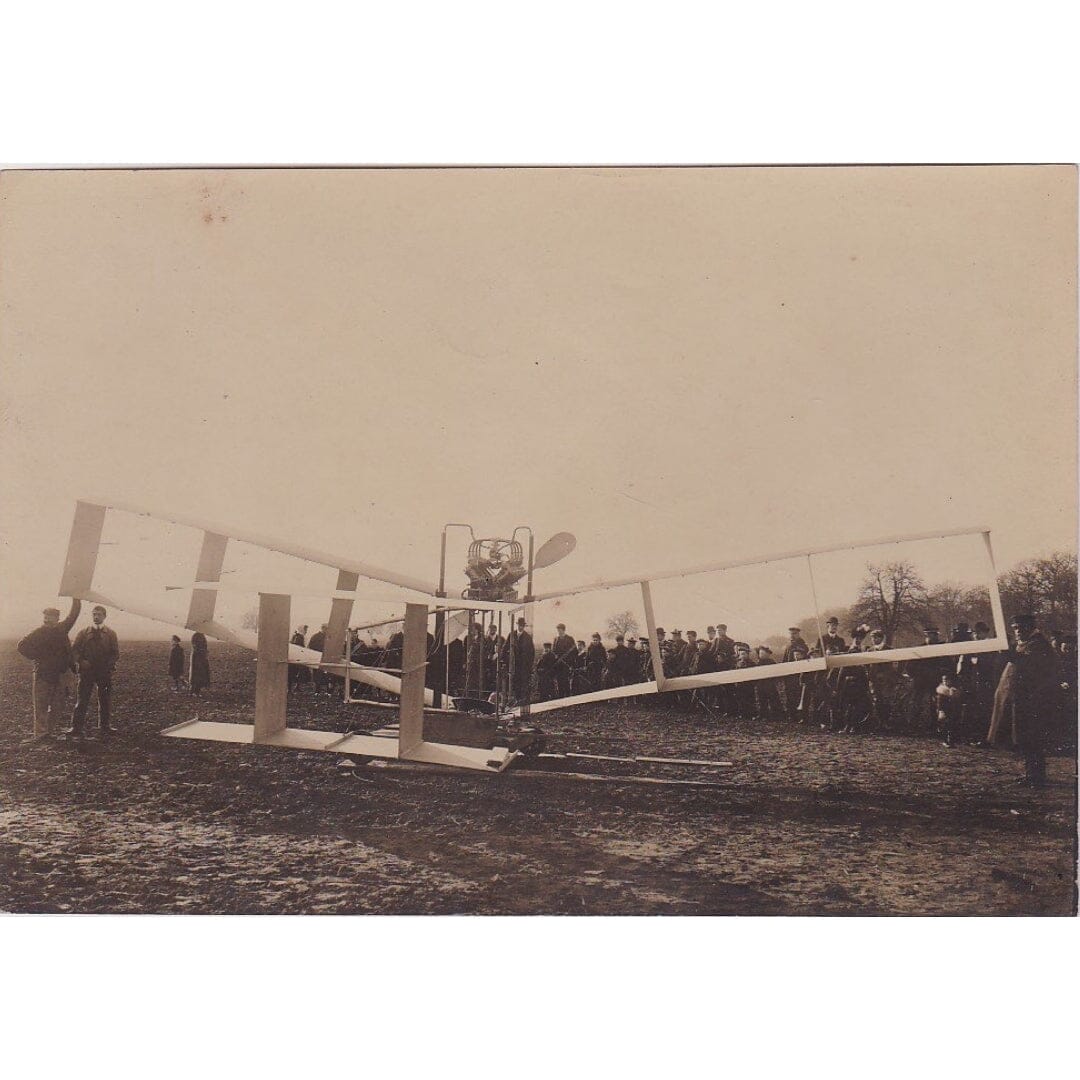
Original period photographs of the 14-Bis, by Alberto Santos Dumont (1906)
Regular price R$ 50.000,00 BRLRegular priceUnit price per -
Letter signed by Alberto Santos Dumont (1901)
Regular price R$ 50.000,00 BRLRegular priceUnit price per -
Handwritten letter from Alberto Santos Dumont (November 7, 1927)
Regular price R$ 20.000,00 BRLRegular priceUnit price per -
Handwritten letter from Alberto Santos Dumont (February 17, 1927)
Regular price R$ 20.000,00 BRLRegular priceUnit price per -
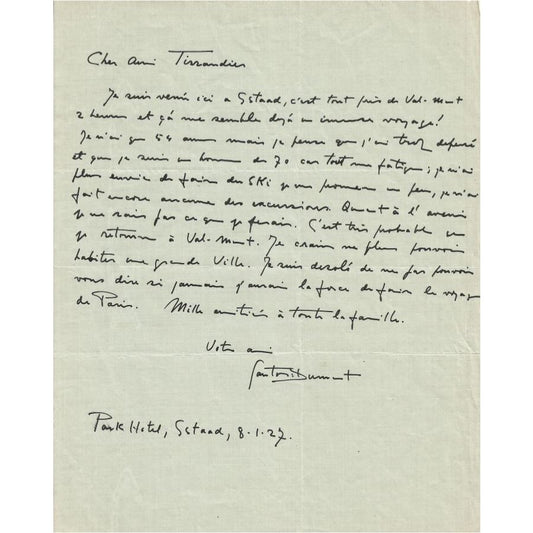
Handwritten letter from Alberto Santos Dumont (January 8, 1927)
Regular price R$ 20.000,00 BRLRegular priceUnit price per -
Handwritten letter from Alberto Santos Dumont (1905/1906)
Regular price R$ 20.000,00 BRLRegular priceUnit price per -
Original period photographs of the seaplane, the 18, by Alberto Santos Dumont (1907)
Regular price R$ 19.000,00 BRLRegular priceUnit price per -
Handwritten letter from Alberto Santos Dumont (1928)
Regular price R$ 15.000,00 BRLRegular priceUnit price per -
Handwritten letter from Alberto Santos Dumont (June 27, 1922)
Regular price R$ 13.000,00 BRLRegular priceUnit price per -
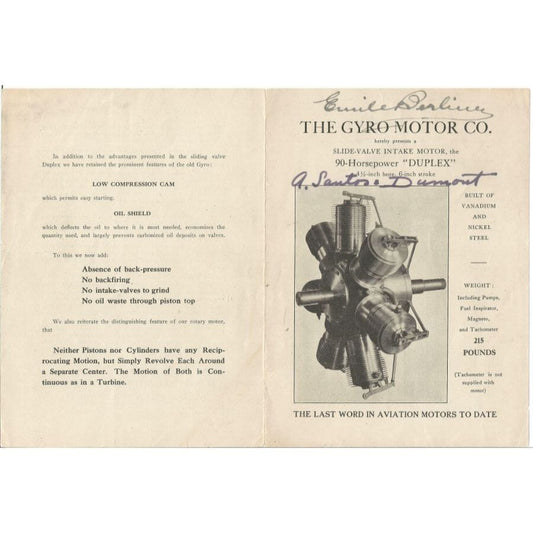
Autographs by Alberto Santos Dumont and Emile Berliner (1913)
Regular price R$ 10.000,00 BRLRegular priceUnit price per -
Handwritten letter from Alberto Santos Dumont (November 3, 1926)
Regular price R$ 9.000,00 BRLRegular priceUnit price per -
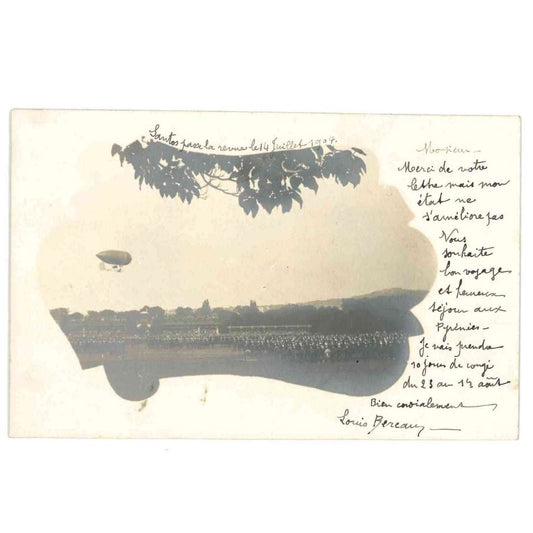
Original period photographs of Alberto Santos Dumont's (1898-1905) balloons and airships
Regular price R$ 8.000,00 BRLRegular priceUnit price per -
Autograph of Alberto Santos Dumont (1919)
Regular price R$ 7.000,00 BRLRegular priceUnit price per -
Autograph album with dedication from Alberto Santos Dumont (1910-1916)
Regular price R$ 6.000,00 BRLRegular priceUnit price per -
Original period photographs of issue 15, by Alberto Santos Dumont (1907)
Regular price R$ 6.000,00 BRLRegular priceUnit price per -
Original period photographs of Alberto Santos Dumont's “Mixte” aircraft (1905)
Regular price R$ 6.000,00 BRLRegular priceUnit price per -
Unpublished photographs by Alberto Santos Dumont (1904)
Regular price R$ 4.000,00 BRLRegular priceUnit price per -
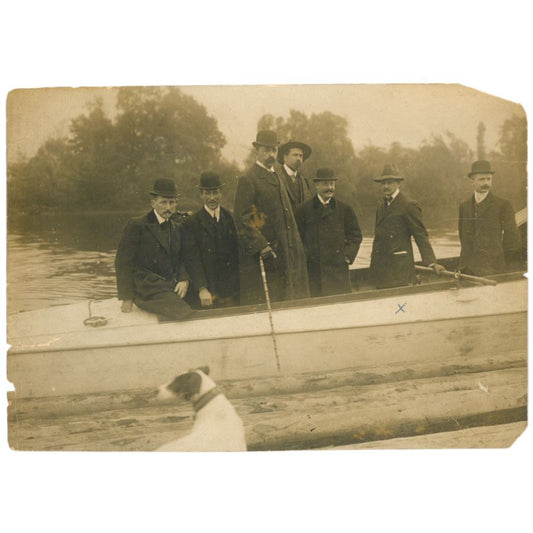
Original period photographs by Alberto Santos Dumont (1904-1907)
Regular price R$ 3.000,00 BRLRegular priceUnit price per -
Annotated photograph of a flight by Alberto Santos Dumont (1904)
Regular price R$ 2.500,00 BRLRegular priceUnit price per -
Study of Santos-Dumont's legacy for aviation (post-World War II)
Regular price R$ 1.200,00 BRLRegular priceUnit price per -
Original photograph by Alberto Santos Dumont (1907)
Regular price R$ 1.000,00 BRLRegular priceUnit price per -
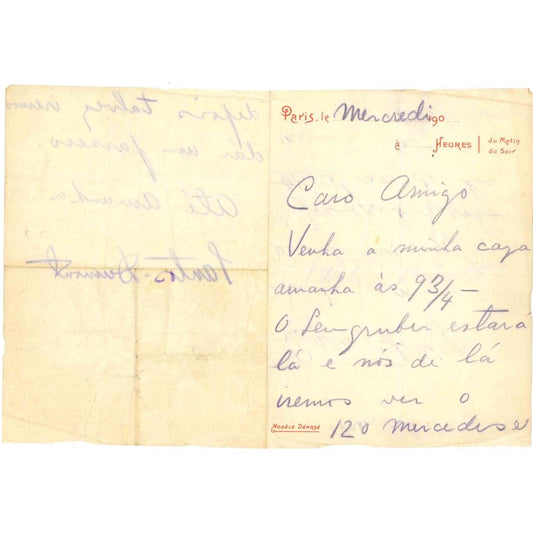
Handwritten letter from Alberto Santos Dumont
Regular price R$ 0,00 BRLRegular priceUnit price per -
Photograph with dedication by Alberto Santos Dumont (1926)
Regular price R$ 0,00 BRLRegular priceUnit price per