-
Postcard autographed by Jimi Hendrix in London (1969)
Regular price R$ 50.000,00 BRLRegular priceUnit price per -
Handwritten letter from Carlos Gomes (1880)
Regular price R$ 15.000,00 BRLRegular priceUnit price per -
Handwritten letter from Edith Piaf (1945)
Regular price R$ 15.000,00 BRLRegular priceUnit price per -
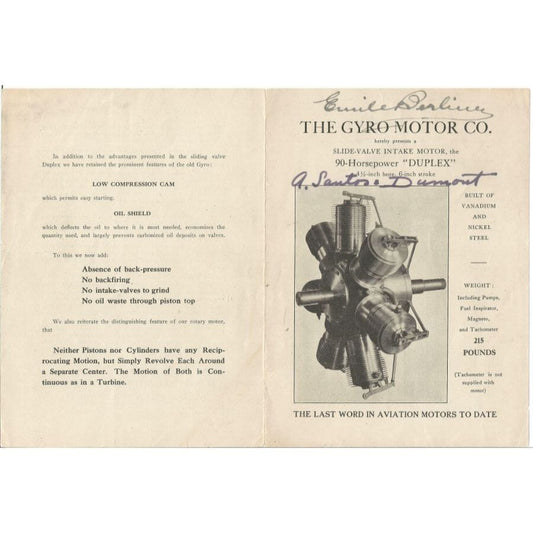
Autographs by Alberto Santos Dumont and Emile Berliner (1913)
Regular price R$ 10.000,00 BRLRegular priceUnit price per -
Letter signed by Vinicius de Moraes (1961)
Regular price R$ 7.000,00 BRLRegular priceUnit price per -
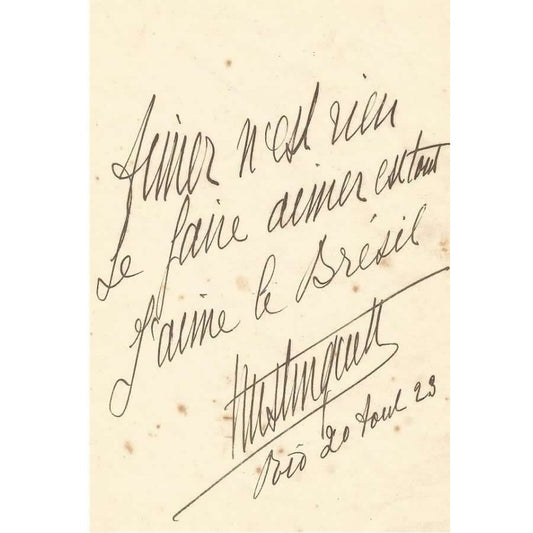
Mistinguett's dedication for the inauguration of the Copacabana Palace (1923)
Regular price R$ 7.000,00 BRLRegular priceUnit price per -
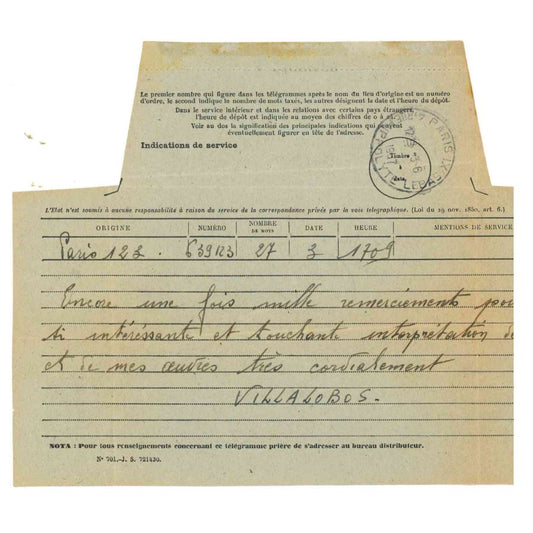
Handwritten telegram by Heitor Villa-Lobos (1957)
Regular price R$ 5.000,00 BRLRegular priceUnit price per -
Letter signed by Heitor Villa-Lobos (1950)
Regular price R$ 4.000,00 BRLRegular priceUnit price per -
Magdalena Tagliaferro's Manuscript (1947)
Regular price R$ 3.500,00 BRLRegular priceUnit price per -
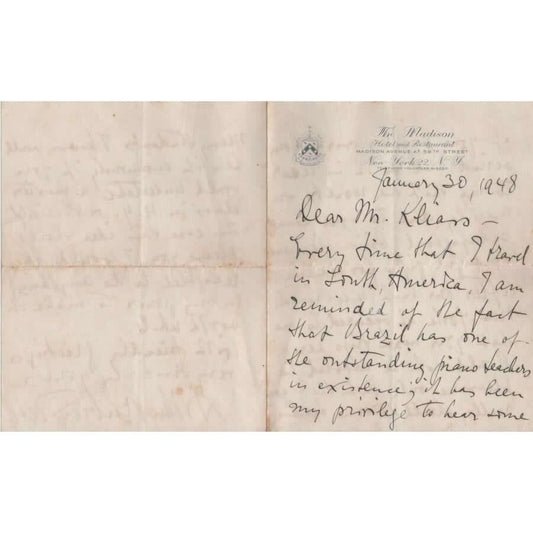
Arthur Rubinstein's handwritten letter (1948)
Regular price R$ 2.700,00 BRLRegular priceUnit price per -
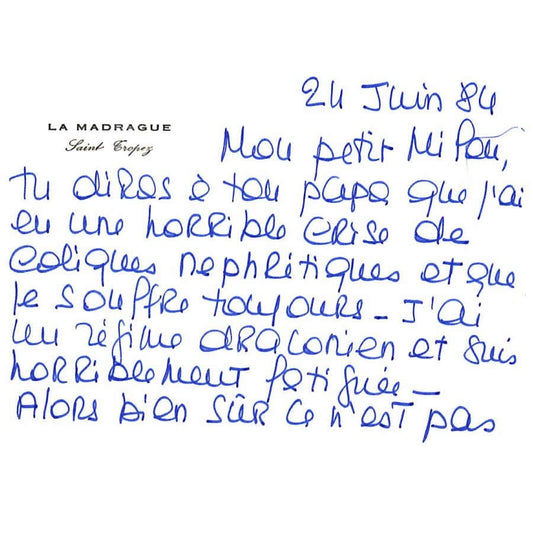
Brigitte Bardot's handwritten letter (1984)
Regular price R$ 2.000,00 BRLRegular priceUnit price per -
Autographed portrait of Heitor Villa-Lobos (1939)
Regular price R$ 2.000,00 BRLRegular priceUnit price per -
Fashion drawing of a dress for Mistinguett (1920s)
Regular price R$ 1.500,00 BRLRegular priceUnit price per -
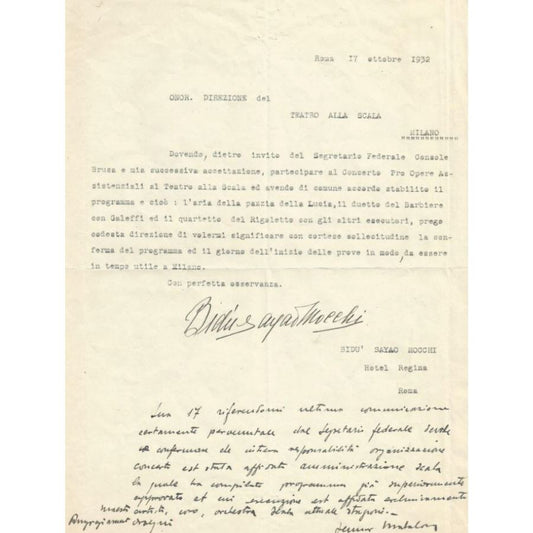
Letter signed by Bidu Sayão (1932)
Regular price R$ 1.500,00 BRLRegular priceUnit price per -
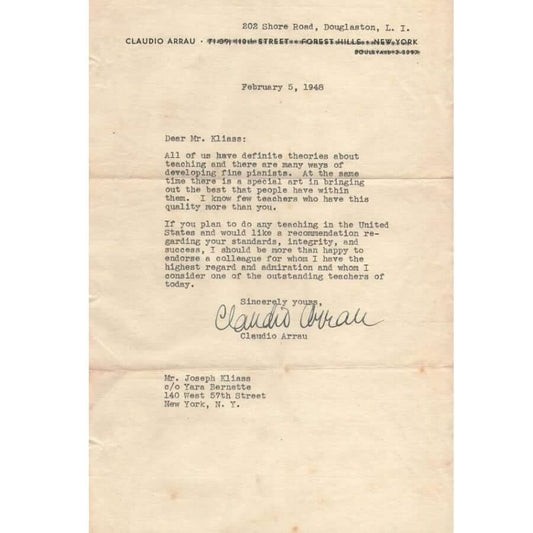
Letter signed by Claudio Arrau (1948)
Regular price R$ 1.500,00 BRLRegular priceUnit price per -
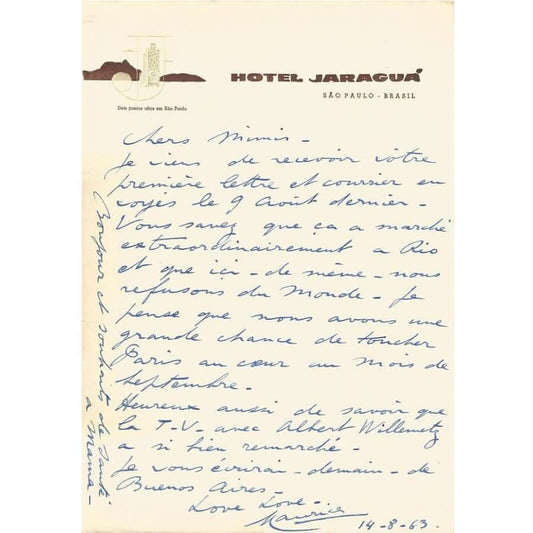
Maurice Chevalier's handwritten letter (1963)
Regular price R$ 900,00 BRLRegular priceUnit price per -
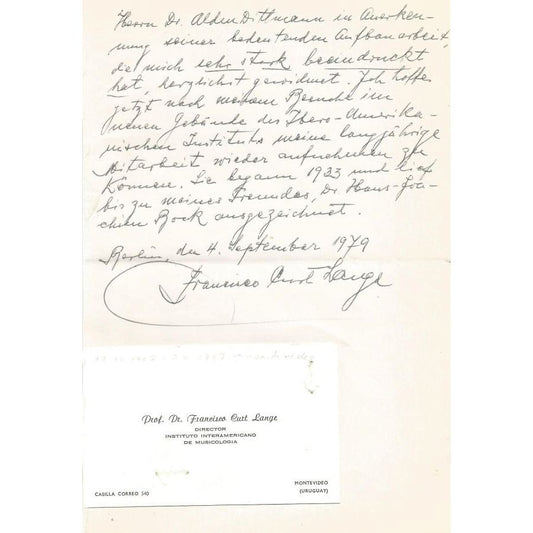
Francisco Curt Lange's handwritten letter (1979)
Regular price R$ 600,00 BRLRegular priceUnit price per -
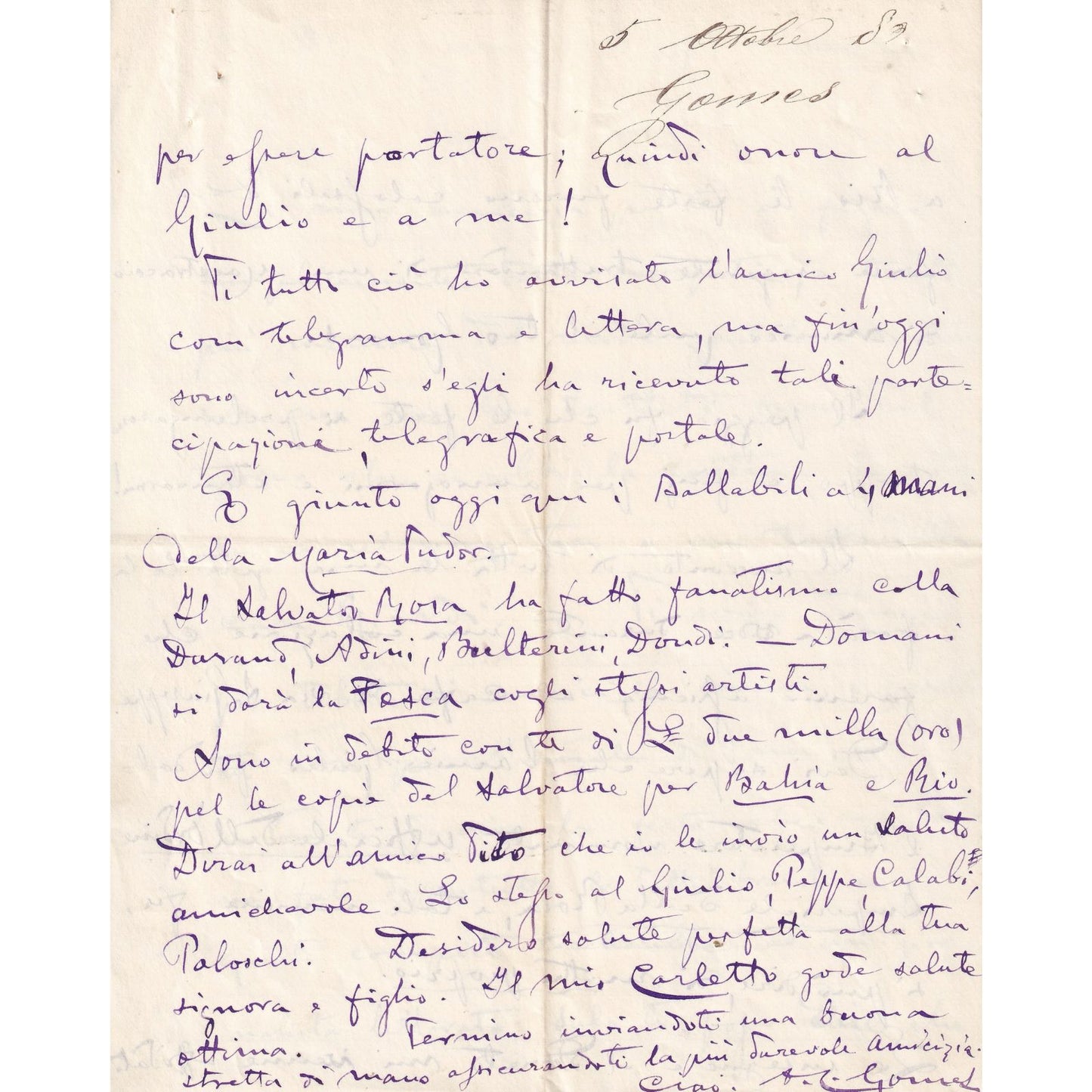
Handwritten letter from Carlos Gomes (1888)
Regular price R$ 0,00 BRLRegular priceUnit price per -
Handwritten letter from Marcel Cerdan to Edith Piaf (1948)
Regular price R$ 0,00 BRLRegular priceUnit price per -
Drawings and dedications by Miles Davis and Mikel Elam (1989)
Regular price R$ 0,00 BRLRegular priceUnit price per -
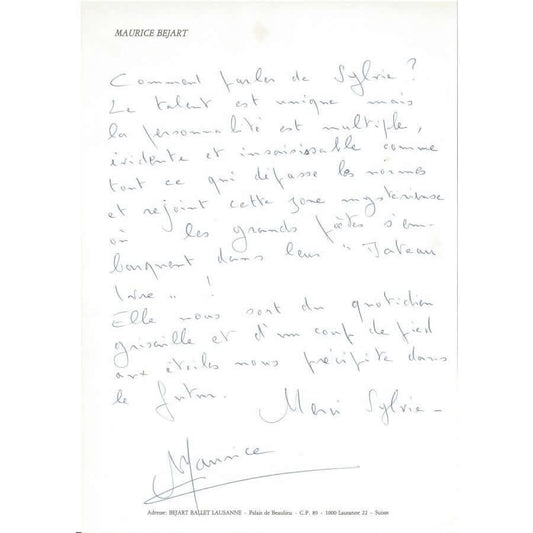
Handwritten letter from Maurice Béjart
Regular price R$ 0,00 BRLRegular priceUnit price per -
Vinícius de Moraes autograph document (1961)
Regular price R$ 0,00 BRLRegular priceUnit price per -
Rare photograph of Marilyn Monroe (1955)
Regular price R$ 0,00 BRLRegular priceUnit price per -
Photograph with dedication by Frank Sinatra (1940s)
Regular price R$ 0,00 BRLRegular priceUnit price per -
Handwritten letter from Heitor Villa-Lobos (1946)
Regular price R$ 0,00 BRLRegular priceUnit price per