-
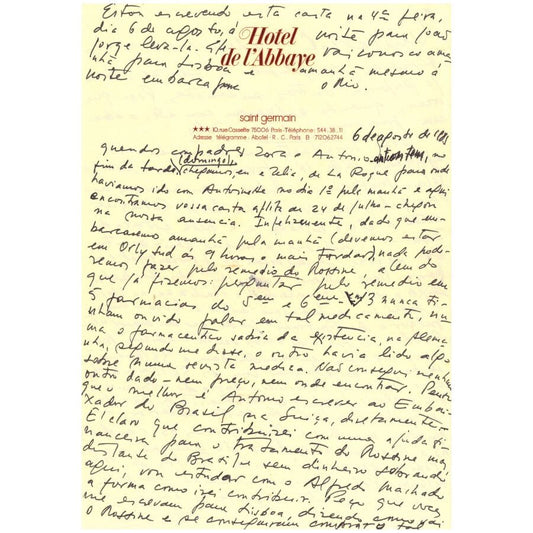
Correspondence of Jorge Amado and Zélia Gattai (1960s, 1970s, 1980s, 1990s)
Regular price R$ 30.000,00 BRLRegular priceUnit price per -
Autographed photograph by Chico Xavier (1976)
Regular price R$ 9.000,00 BRLRegular priceUnit price per -
Letter signed by Vinicius de Moraes (1961)
Regular price R$ 7.000,00 BRLRegular priceUnit price per -
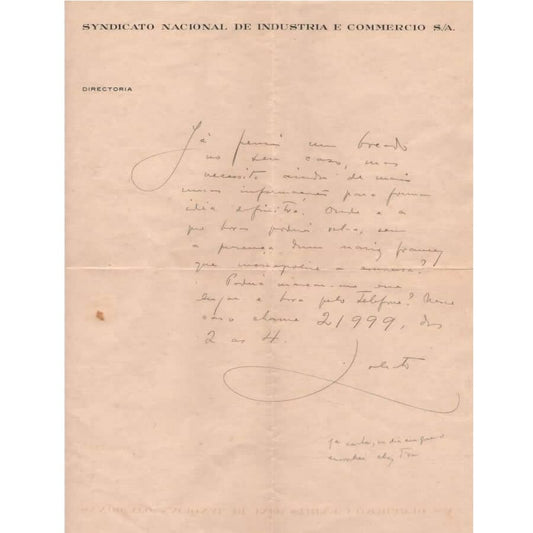
Handwritten letter from Monteiro Lobato
Regular price R$ 3.000,00 BRLRegular priceUnit price per -
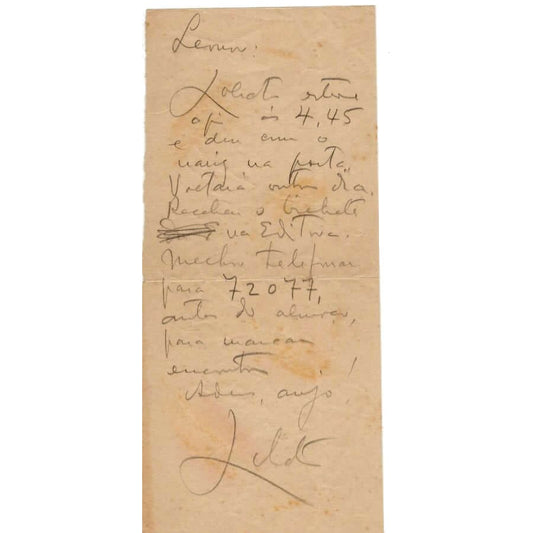
Handwritten note by Monteiro Lobato
Regular price R$ 3.000,00 BRLRegular priceUnit price per -
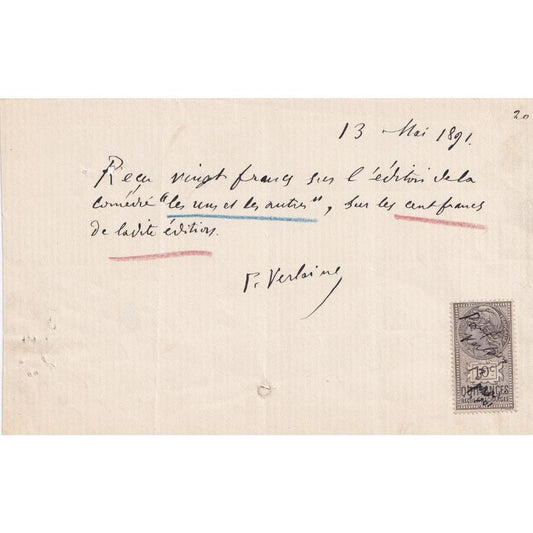
Handwritten receipt from Paul Verlaine (1891)
Regular price R$ 2.500,00 BRLRegular priceUnit price per -
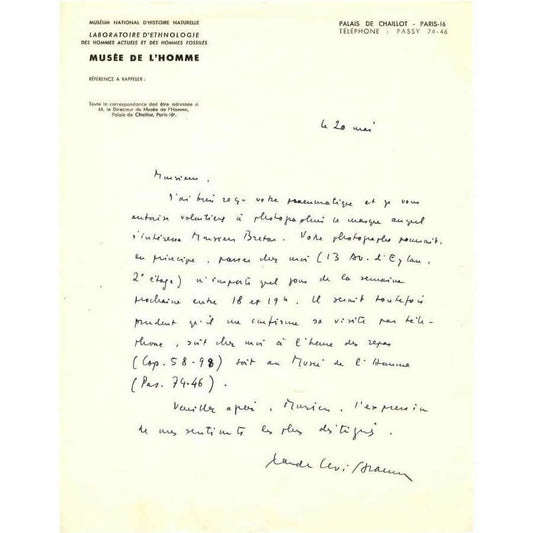
Claude Levi-Strauss handwritten letter (1950)
Regular price R$ 2.500,00 BRLRegular priceUnit price per -
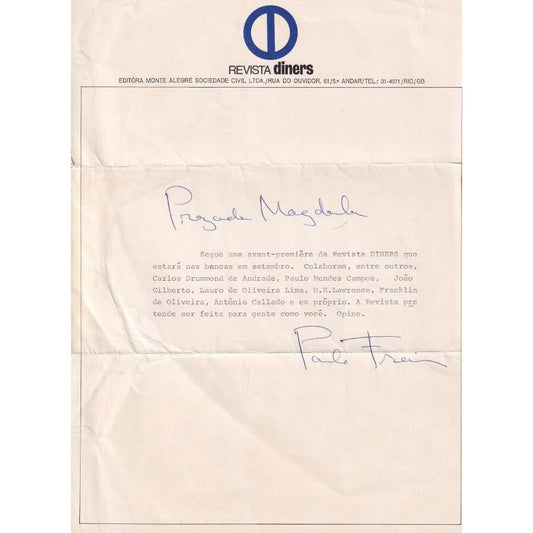
Letter signed by Paulo Freire
Regular price R$ 1.500,00 BRLRegular priceUnit price per -
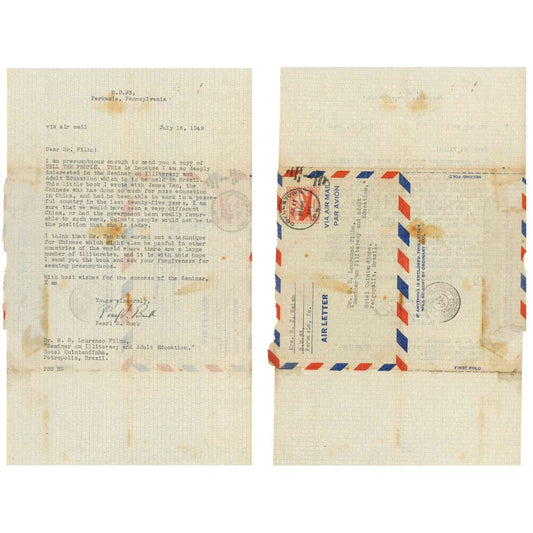
Letter signed by Pearl Buck (1949)
Regular price R$ 1.300,00 BRLRegular priceUnit price per -
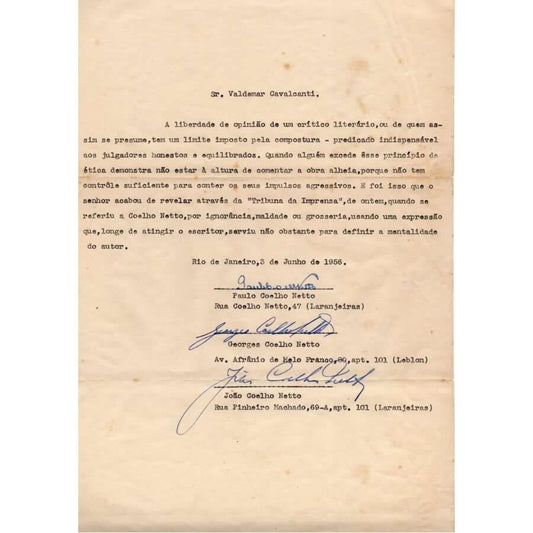
Letter of criticism from Coelho Netto's children to Valdemar Cavalcanti (1956)
Regular price R$ 900,00 BRLRegular priceUnit price per -
Dedication by Elisa Lispector (1985)
Regular price R$ 700,00 BRLRegular priceUnit price per -
Henri Bergson's handwritten letter (1911)
Regular price R$ 0,00 BRLRegular priceUnit price per -
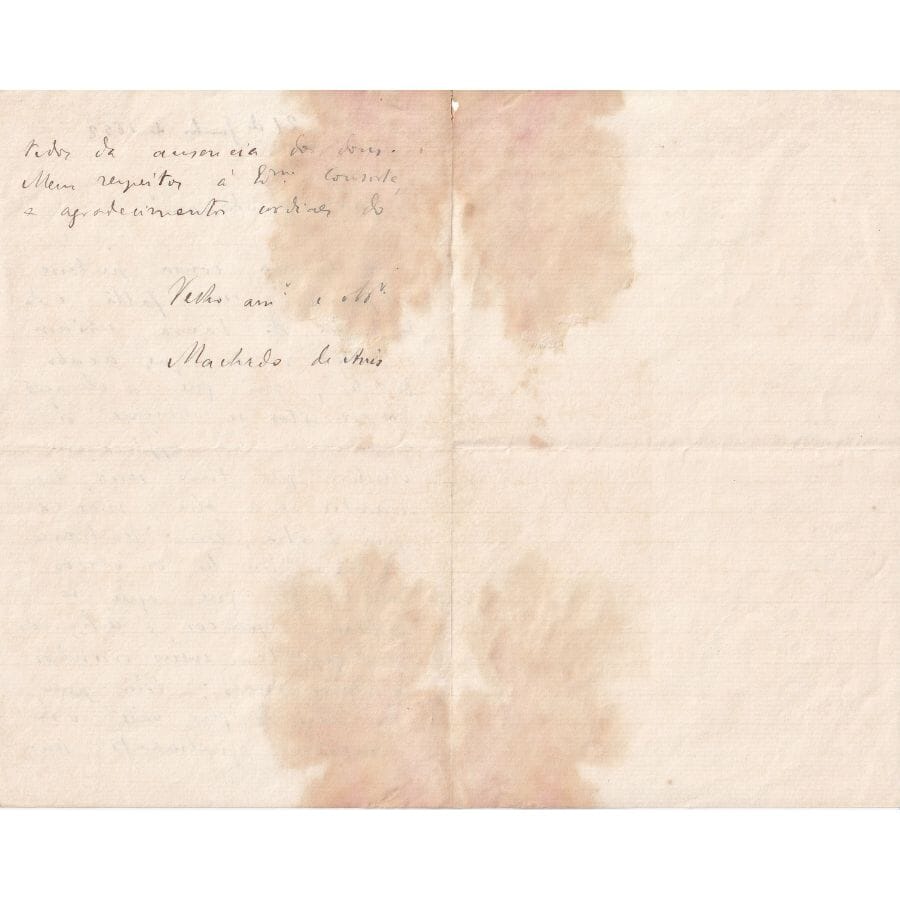
Allan Kardec handwritten letter (1860)
Regular price R$ 0,00 BRLRegular priceUnit price per -
Handwritten letter from Simone de Beauvoir to Marie-Jo Bonnet
Regular price R$ 0,00 BRLRegular priceUnit price per -
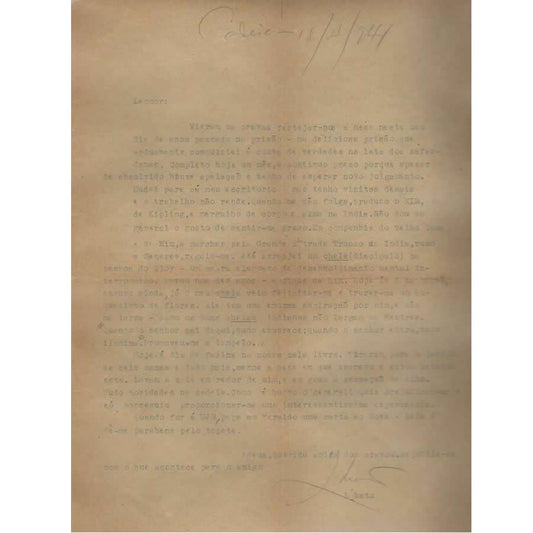
Historical letter from Monteiro Lobato (1941)
Regular price R$ 0,00 BRLRegular priceUnit price per -
Drawing and dedication by Carybé and Jorge Amado to Vinícius de Moraes (1962)
Regular price R$ 0,00 BRLRegular priceUnit price per -
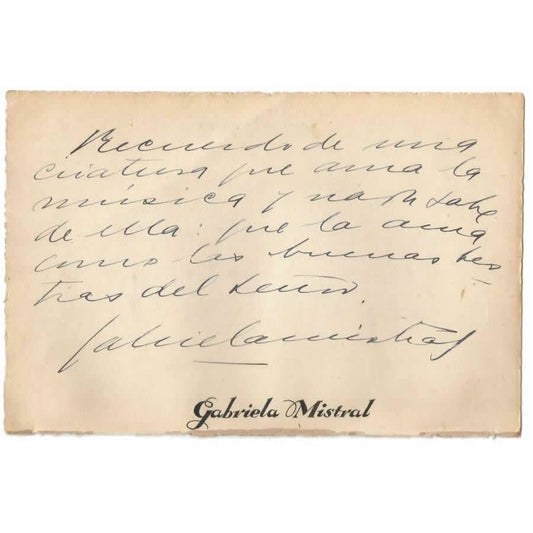
Handwritten note by Gabriela Mistral (1940s)
Regular price R$ 0,00 BRLRegular priceUnit price per -
 Sold out
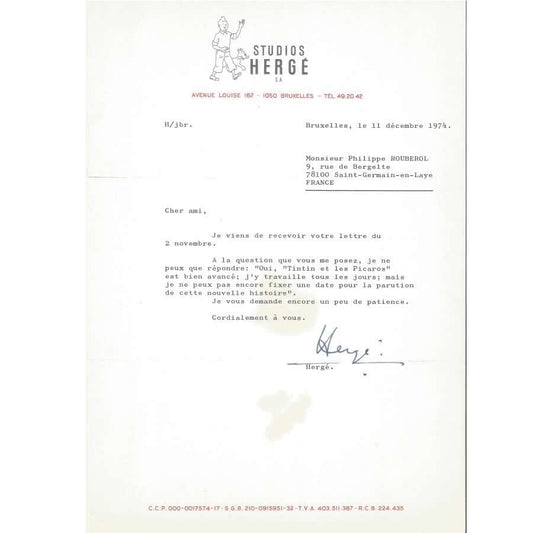
Letter signed by Hergé (1974)
Regular price R$ 0,00 BRLRegular priceUnit price per -
 Sold out
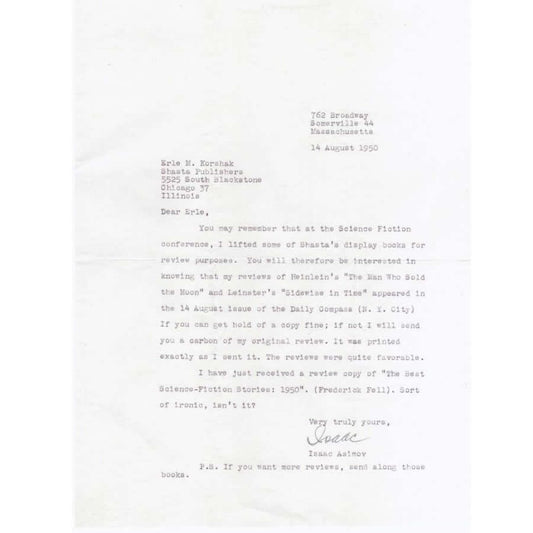
Letter signed by Isaac Asimov (1950)
Regular price R$ 0,00 BRLRegular priceUnit price per -
Letters signed by Donald Pierson (1955, 1967, 1974)
Regular price R$ 0,00 BRLRegular priceUnit price per -
Vinícius de Moraes autograph document (1961)
Regular price R$ 0,00 BRLRegular priceUnit price per -
Drawing by Salvador Dali for a book by Maurice Sandoz (1944)
Regular price R$ 0,00 BRLRegular priceUnit price per -
Letter from Zélia Amado about Jorge Amado
Regular price R$ 0,00 BRLRegular priceUnit price per -
JRR Tolkien's handwritten letter (1956)
Regular price R$ 0,00 BRLRegular priceUnit price per -
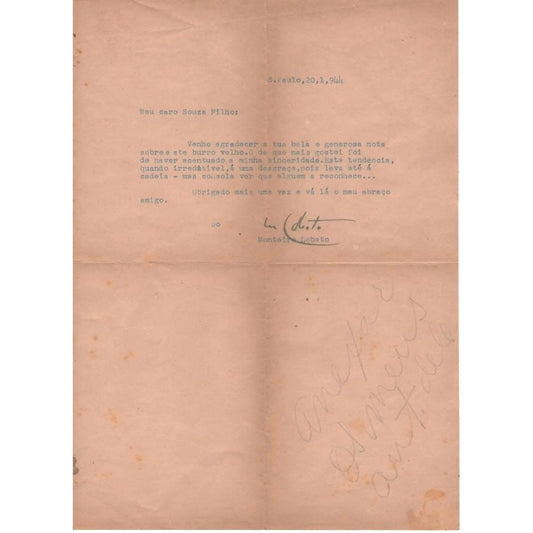
Letter signed by Monteiro Lobato (1944)
Regular price R$ 0,00 BRLRegular priceUnit price per