-
Panoramic photograph of Rio de Janeiro by Marc Ferrez (1900s)
Regular price R$ 20.000,00 BRLRegular priceUnit price per -
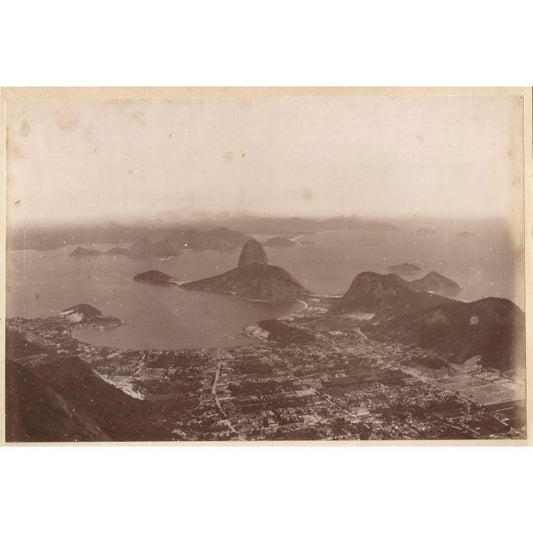
Large panoramic photograph of Rio de Janeiro (1875-1890)
Regular price R$ 15.000,00 BRLRegular priceUnit price per -
Original photographs of Guarani indigenous people by Ricardo Krone
Regular price R$ 5.000,00 BRLRegular priceUnit price per -
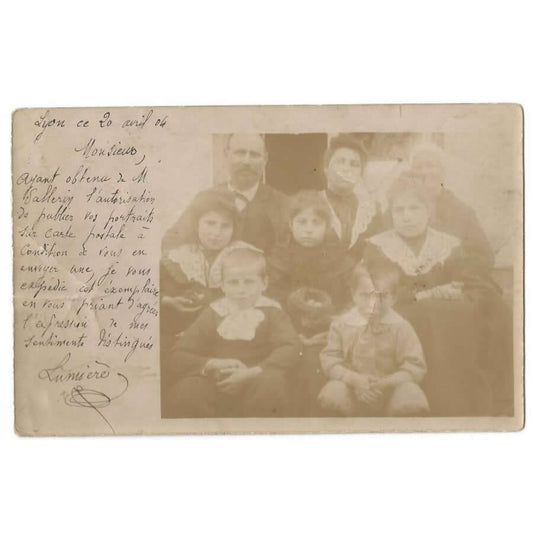
Handwritten postcard by Louis Lumière (1904)
Regular price R$ 4.000,00 BRLRegular priceUnit price per -
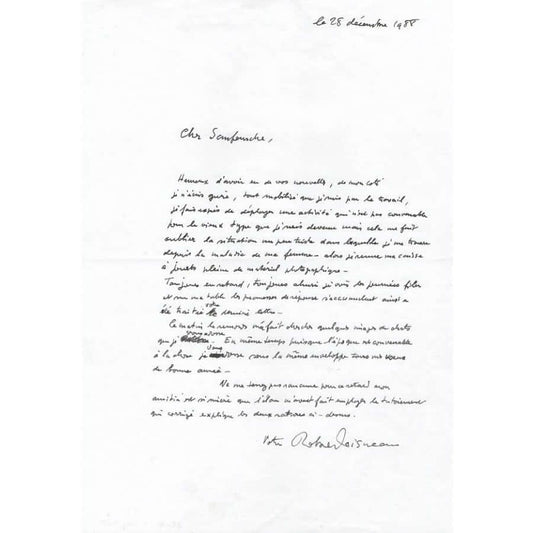
Robert Doisneau's handwritten letter (1988)
Regular price R$ 3.500,00 BRLRegular priceUnit price per -
Old photographs of Madeira Island (19th century)
Regular price R$ 3.200,00 BRLRegular priceUnit price per -
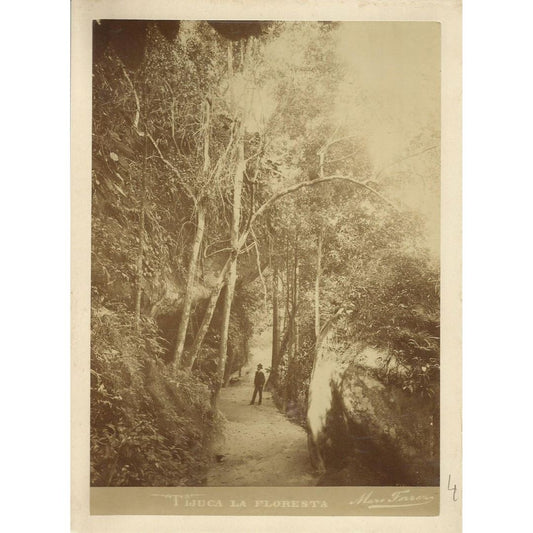
Photo of the Tijuca Forest by Marc Ferrez
Regular price R$ 2.500,00 BRLRegular priceUnit price per -
Photographs by Christiano Junior (1871)
Regular price R$ 1.000,00 BRLRegular priceUnit price per -
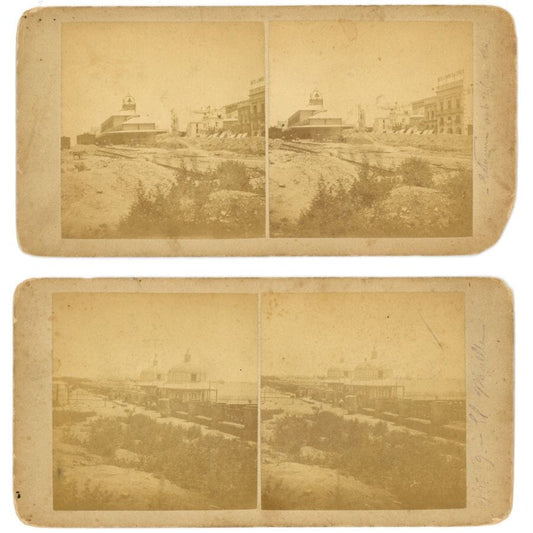
Two original photographs by George Leuzinger (1860s, 1870s)
Regular price R$ 1.000,00 BRLRegular priceUnit price per -
Original photograph from the Christiano Jr. & Pacheco studio (1871)
Regular price R$ 600,00 BRLRegular priceUnit price per -
Salvador Dali's photograph and dedication to Robert Whitaker (1967)
Regular price R$ 0,00 BRLRegular priceUnit price per -
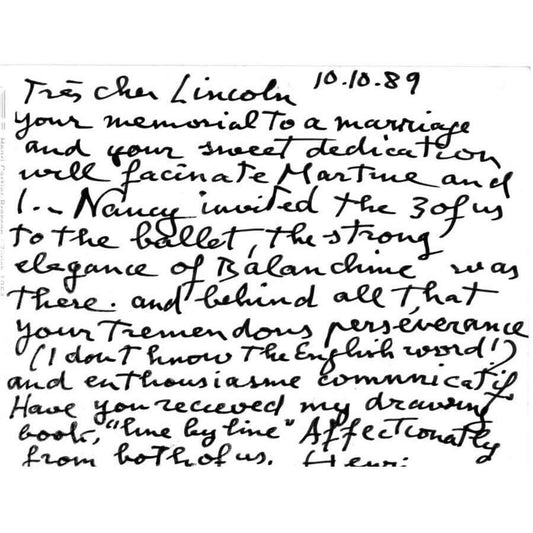
Henri Cartier-Bresson handwritten postcard to Lincoln Kirstein (1989)
Regular price R$ 0,00 BRLRegular priceUnit price per -
Photography by Alain Delon and Lino Ventura, by Giancarlo Botti (1966)
Regular price R$ 0,00 BRLRegular priceUnit price per -
Three old photographs of old Rio de Janeiro by Marc Ferrez
Regular price R$ 0,00 BRLRegular priceUnit price per -
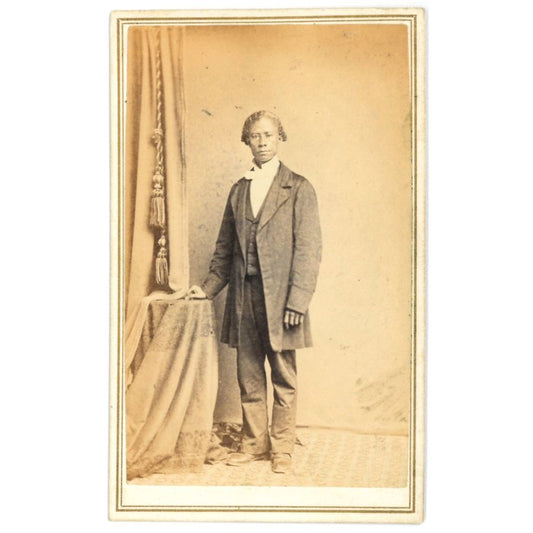
Original photography by the Alberto Henschel brand
Regular price R$ 0,00 BRLRegular priceUnit price per -
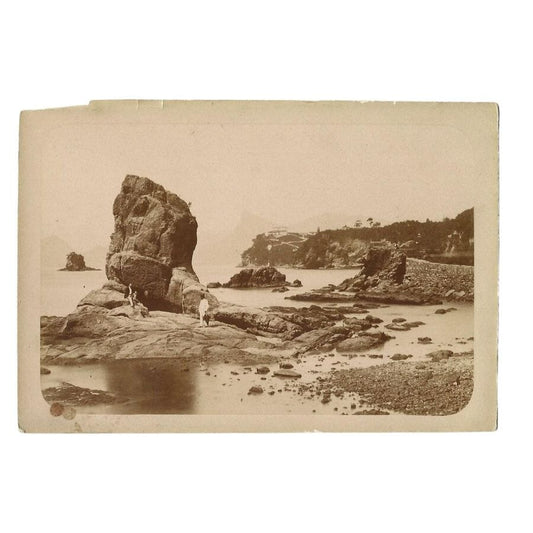
Original photograph of Pedra de Itapuca by Georges Leuzinger
Regular price R$ 0,00 BRLRegular priceUnit price per