-
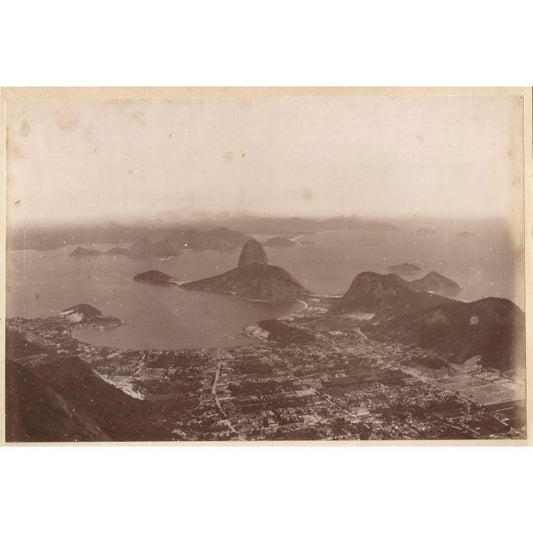
Panoramic photograph of Rio de Janeiro by Marc Ferrez (1900s)
Regular price R$ 20.000,00 BRLRegular priceUnit price per -
Large panoramic photograph of Rio de Janeiro (1875-1890)
Regular price R$ 15.000,00 BRLRegular priceUnit price per -
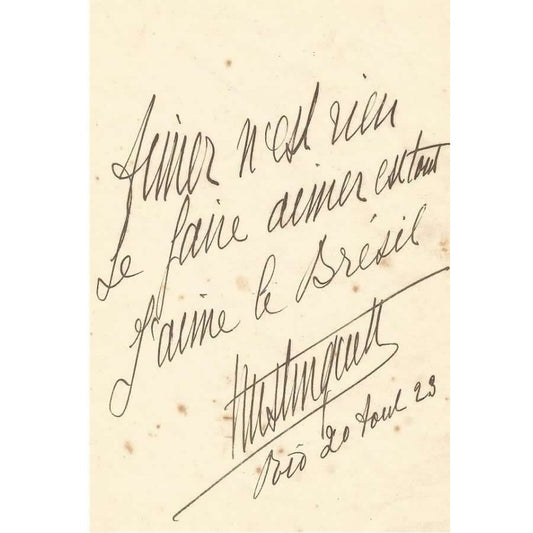
Mistinguett's dedication for the inauguration of the Copacabana Palace (1923)
Regular price R$ 7.000,00 BRLRegular priceUnit price per -
Study by Benedito Calixto based on Debret (around 1900)
Regular price R$ 6.000,00 BRLRegular priceUnit price per -
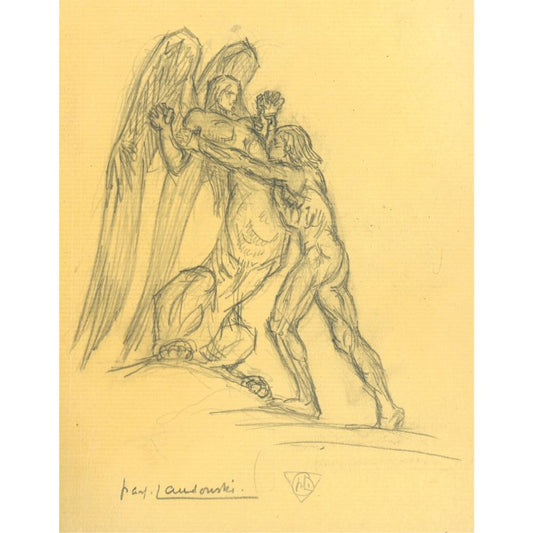
Drawing by Paul Landowski (1944)
Regular price R$ 5.000,00 BRLRegular priceUnit price per -
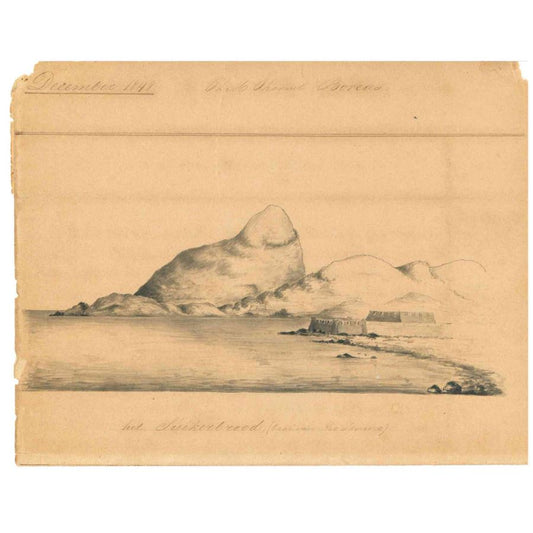
Old drawing of Guanabara Bay (1843)
Regular price R$ 5.000,00 BRLRegular priceUnit price per -
Autographs of Garrincha and Quarentinha (1950s)
Regular price R$ 2.500,00 BRLRegular priceUnit price per -
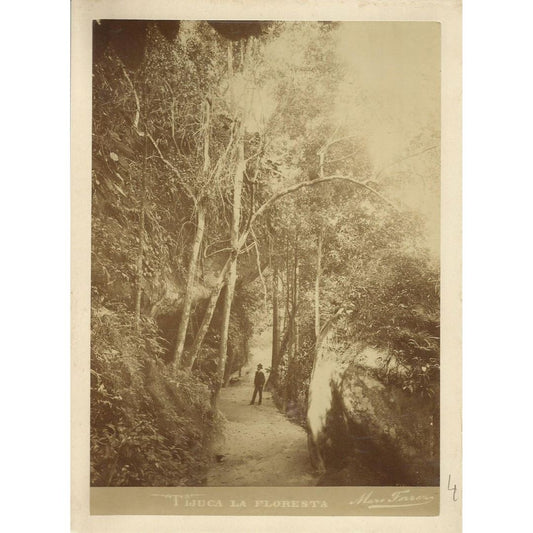
Photo of the Tijuca Forest by Marc Ferrez
Regular price R$ 2.500,00 BRLRegular priceUnit price per -
Two handwritten letters from a player agent to Botafogo (1963)
Regular price R$ 2.000,00 BRLRegular priceUnit price per -
Handwritten letter about Garrincha, Santos and Zagallo (1962)
Regular price R$ 1.500,00 BRLRegular priceUnit price per -
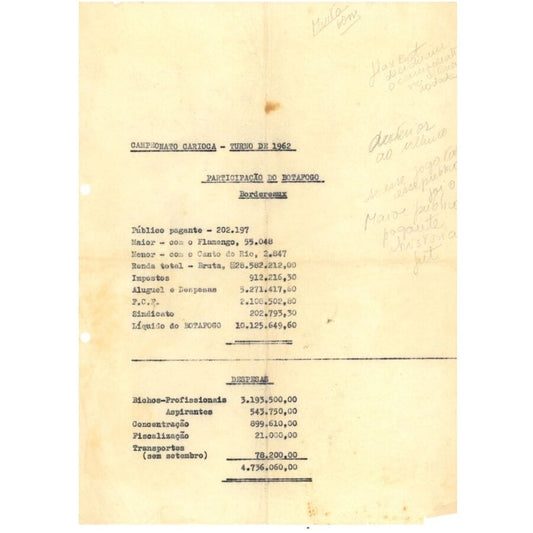
Historical document of Botafogo (1962)
Regular price R$ 1.300,00 BRLRegular priceUnit price per -
Two original photographs by George Leuzinger (1860s, 1870s)
Regular price R$ 1.000,00 BRLRegular priceUnit price per -
Original photograph from the Christiano Jr. & Pacheco studio (1871)
Regular price R$ 600,00 BRLRegular priceUnit price per -
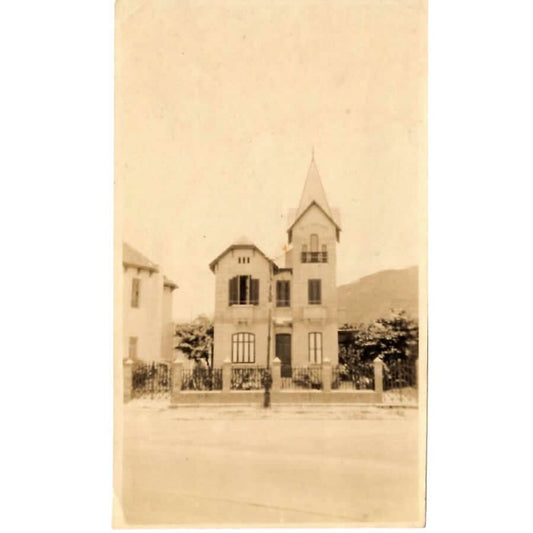
Original photograph of a house in the Ipanema neighborhood (1927)
Regular price R$ 600,00 BRLRegular priceUnit price per -
Signatures of Garrincha, Quarentinha and Zagallo on a historic Botafogo letter (1963)
Regular price R$ 0,00 BRLRegular priceUnit price per -

Signatures of Garrincha, Quarentinha and other players on a surprising Botafogo letter (1956)
Regular price R$ 0,00 BRLRegular priceUnit price per -
Ronnie Biggs handwritten letter (1995)
Regular price R$ 0,00 BRLRegular priceUnit price per -
Drawings and notes by Eugênio de Proença Sigaud (1944)
Regular price R$ 0,00 BRLRegular priceUnit price per -
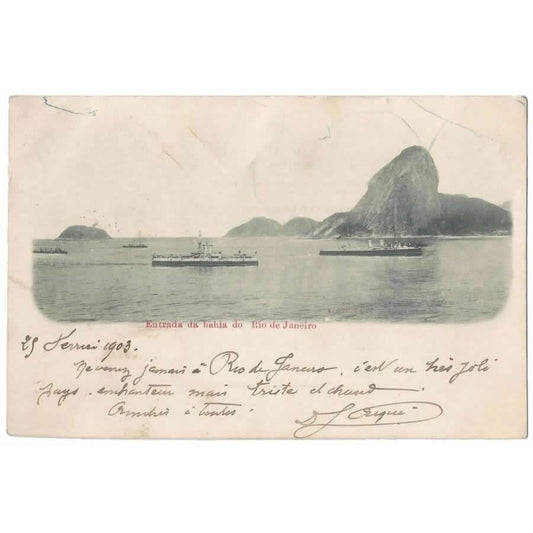
Postcard of a French tourist in Rio de Janeiro (1903)
Regular price R$ 0,00 BRLRegular priceUnit price per -
Two autographed photographs of Maracanã (1948 or 1949)
Regular price R$ 0,00 BRLRegular priceUnit price per -
Three old photographs of old Rio de Janeiro by Marc Ferrez
Regular price R$ 0,00 BRLRegular priceUnit price per -
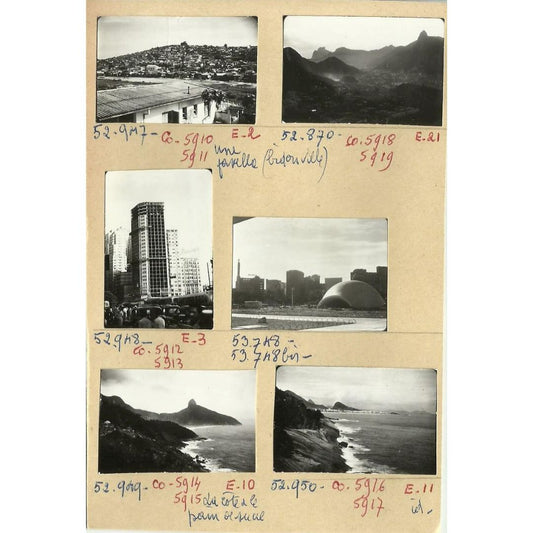
Ten small photographs of Rio de Janeiro (1960s)
Regular price R$ 0,00 BRLRegular priceUnit price per -
Original plan of the Flamengo Landfill project by the architect Roberto Burle Marx (1960?)
Regular price R$ 0,00 BRLRegular priceUnit price per -
Panoramic photograph in two parts of Rio de Janeiro (1900s)
Regular price R$ 0,00 BRLRegular priceUnit price per -
 Sold out
Flamengo autograph book (1953)
Regular price R$ 0,00 BRLRegular priceUnit price per